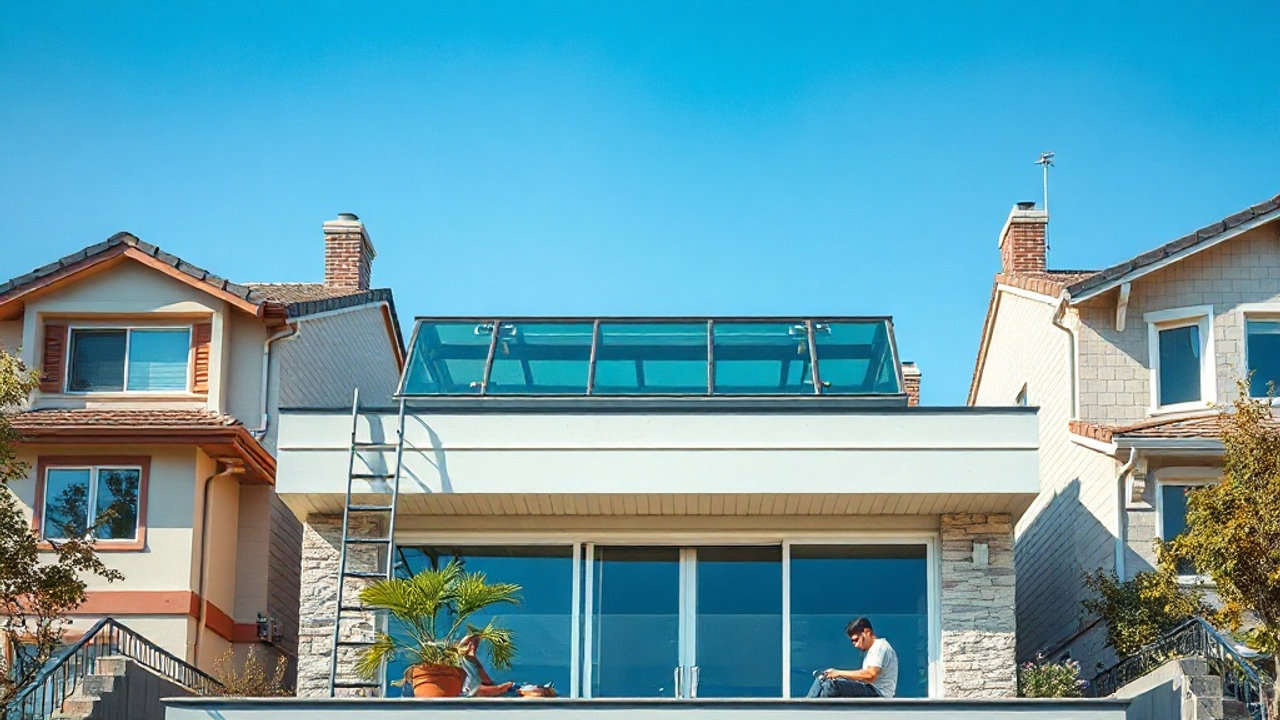
Glass Floor Rooflights: Premium Walk-On Skylights for Commercial & Residential Applications
Engineered walkable rooflight systems that combine natural light transmission with structural load capacity up to 100 lbs per square foot
What Are Walk-On Rooflights?
Skylights & Rooflights specializes in premium glazing solutions including walk-on rooflights, commonly referred to as walkable skylights, roof access lights or glass floor rooflights. These innovative glazing systems are designed to support foot traffic while allowing ample natural light. They enhance interiors and expand usable outdoor space. Crafted from durable materials such as laminated glass, polycarbonate or acrylic surfaces, they are engineered for safety and transparency. Unlike traditional skylights, these rooflights feature intricate support frames rated for specific load capacities, usually accommodating between 40 to 100 pounds per square foot depending on installation requirements. This capacity ensures they can withstand everyday movement, making them ideal for residential and commercial environments. Whether used in modern homes or bustling retail spaces, walk-on rooflights provide a unique architectural element merging practicality with aesthetic appeal. Architects and homeowners seek solutions that blend outdoor and indoor experiences, and these engineered skylights continue to rise in popularity.
Glass Floor Rooflights vs. Polycarbonate: Material Comparison & Load Ratings
When considering walk-on rooflights, material choice plays a crucial role in performance, safety and longevity. Glass floor rooflights offer numerous benefits, notably their aesthetic clarity and thermo-insulating properties. They provide excellent resistance to scratches and climatic variations. In contrast, polycarbonate rooflights, made from a highly durable thermoplastic, are lighter and often more affordable options. These materials are designed to withstand substantial impact and weather conditions while offering energy efficiency. Regarding load ratings, both options allow specific weight thresholds for foot traffic, but laminated glass typically presents higher strength ratings, reaching up to 100 pounds per square foot. Conversely, polycarbonate skylights might reach lower weight tolerances, around 40-70 pounds per square foot, depending on thickness and structural design. Making an informed choice between these materials involves understanding the intended use, design aesthetic and load requirements for your space.
Walk-On Rooflights for Commercial & Industrial Spaces: Applications & Benefits
Walk-on rooflights are particularly beneficial in commercial spaces where natural light can enhance the work environment.
Learn more about more information about walk on rooflights. For instance, warehouses and manufacturing facilities often have limited access to daylight, leading to higher energy consumption and a less inviting atmosphere. Implementing walkable skylights facilitates daylighting, reducing reliance on artificial lighting. These rooflights are especially effective in large, expansive areas like retail spaces, where they create stunning focal points that draw customers while enhancing the overall shopping experience. Moreover, with advancements in material technology, state-of-the-art rooflights also ensure safety, making them a preferred choice for environments where heavy foot traffic is a reality. Applications extend beyond traditional designs; walk-on rooflights can also be integrated into public squares, rooftops and terraces, transforming ordinary spaces into engaging social venues. The implementation of these glazing systems optimizes energy efficiency and promotes worker productivity and satisfaction.
Building Code Compliance & Safety Certifications for Structural Glass Rooflights
Safety is paramount when it comes to installing walk-on rooflights. Understanding the relevant building codes and safety certifications is essential to ensure that these installations meet and exceed regulatory requirements. Industry bodies like the International Code Council establish vital standards that govern the structural integrity and safety of glazing systems. These guidelines outline specifications for wind resistance, load capacity and other essential factors to ensure reliability. Architects and builders must also consider safety certifications from recognized entities when selecting materials for rooflights. Structural glass rooflights generally need to comply with rigorous testing for impact resistance, slip ratings and thermal performance, ensuring they are suitable for foot traffic and variable climates. Many manufacturers provide detailed documentation showcasing compliance with building codes and safety certifications, giving homeowners and architects peace of mind regarding their selections.
Walk-On Rooflights Installation: Local Contractor Solutions & Best Practices
Installing walk-on rooflights requires careful consideration and expertise to guarantee structural integrity and performance.
First, it is essential to engage a qualified contractor well-versed in local building codes and regulations to ensure compliance throughout the installation process. A successful installation begins with evaluating the structural capabilities of the roof to accommodate the load from the glass floor rooflights. Experienced contractors will typically conduct a detailed inspection and engineering analysis to identify critical areas and reinforcement requirements. During installation, precise alignment and secure fastening of the rooflight frames are key to preventing future complications. Furthermore, sealing techniques must be employed to ensure longevity and eliminate potential leaks. Following installation, regular inspections are advisable to maintain operational safety and performance, addressing any unforeseen issues promptly.
Pricing, ROI & Energy Efficiency Benefits of Flat Walk-On Rooflight Systems
When considering the investment in flat walk-on rooflight systems, understanding their pricing and long-term value is paramount. While initial costs may vary based on materials and installation complexity, the energy savings over time can significantly offset these expenses. Walk-on rooflights allow natural light to flood interior spaces, which not only reduces reliance on artificial lighting but also helps decrease heating and cooling costs throughout the year. Many homeowners and business owners find that these systems pay for themselves through energy savings within a few years. Moreover, the added value of increased usable space and modern aesthetics can enhance property appeal and market value, making glass floor rooflights a smart long-term investment for both residential and commercial projects seeking sustainable design solutions.