Senior Mobility Solutions for Safe, Independent Living at Home
Comprehensive mobility aids, accessibility modifications, and professional services to help seniors maintain independence and prevent falls
Why Senior Mobility Solutions Matter: Preventing Falls and Injuries
EzLift Bed offers practical support for aging in place. For practical context, see this expert resource on senior mobility solutions. For seniors, maintaining mobility is not merely a matter of convenience; it’s essential for safety and overall wellbeing. As individuals age, their risk of experiencing mobility challenges, including falls, significantly increases. In fact, falls are the leading cause of injury-related death among seniors, with a shocking statistic indicating one fall occurs every 11 seconds that results in emergency room treatment. Therefore, investing in senior mobility solutions solutions is vital for preventing falls and enhancing quality of life. The Centers for Disease Control and Prevention emphasize that many falls are preventable through simple interventions and support systems. By implementing mobility solutions, families and caregivers can help create a safer living environment that promotes independence. It fosters a sense of security for seniors, allowing them to navigate their surroundings with confidence. Ultimately, ensuring accessibility through mobility solutions reduces potential injuries and provides peace of mind for both the senior and their loved ones. This focus on prevention allows seniors to retain their independence longer, enabling them to enjoy life and engage in activities they love.
Types of Senior Mobility Solutions: From Walkers to Home Modifications
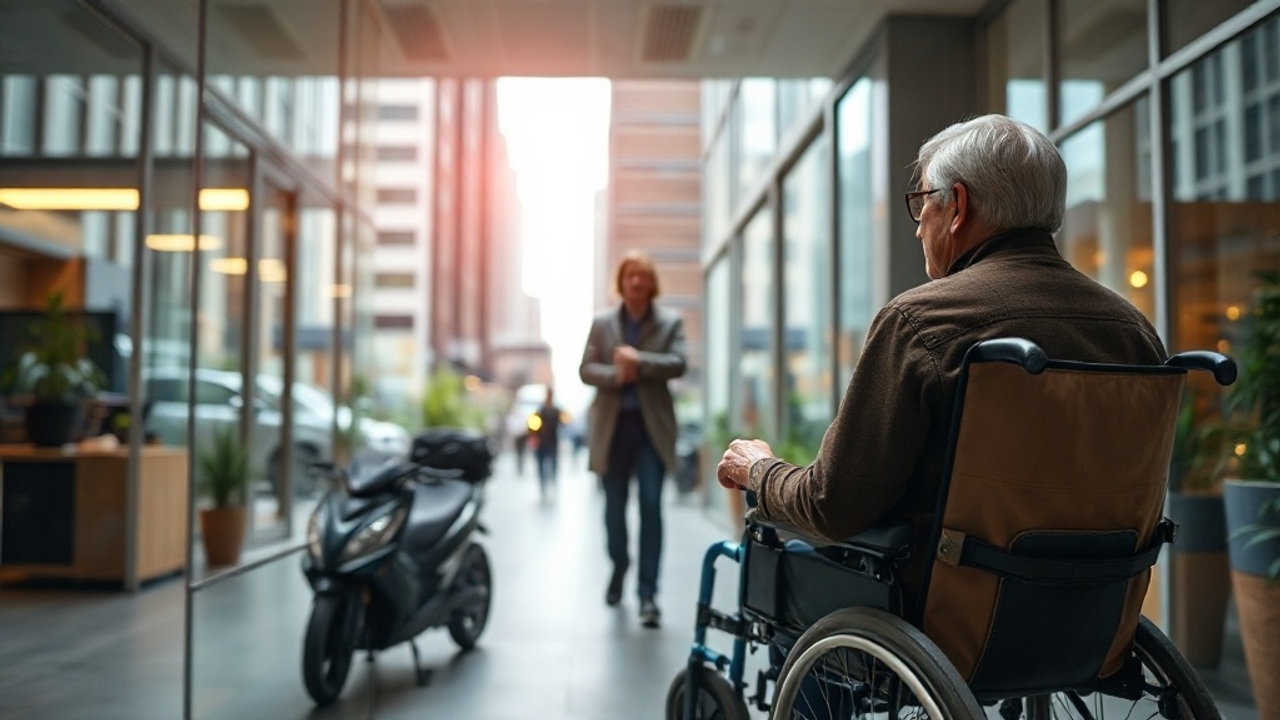
Navigating the vast landscape of senior mobility solutions can be overwhelming, yet the options available today are meant to empower elderly individuals and enhance their independence. There are various types of mobility aids including walkers, wheelchairs, and mobility scooters that support seniors in maintaining an active lifestyle. Each solution serves a specific purpose; for instance, walkers offer stability and support for those who may need assistance while walking, whereas wheelchairs provide mobility for those who may be unable to walk independently. Home modifications also play a crucial role in mobility enhancement. Installing grab bars in bathrooms or ramps at entranceways not only facilitates easier movement but also adds an extra layer of safety. Stairlifts can be a game-changer in multi-story homes, allowing seniors to access their entire living space without strain. These tailored mobility solutions not only minimize the risk of falls but also foster an environment that promotes independence, encouraging seniors to engage actively in their daily lives.
Adjustable Home Hospital Beds and Assistive Beds for Seniors
Adjustable beds and assistive beds play a transformative role in improving comfort and accessibility for seniors with mobility needs.
These beds are designed to accommodate various health and mobility challenges, providing customizable positions that promote better circulation, reduce pressure points, and enhance overall sleep quality. For seniors who spend extended periods in bed, adjustable beds enable users to elevate their heads or feet, making it easier to get in and out of bed. This is particularly beneficial for individuals recovering from surgery or managing chronic conditions. Furthermore, safety features such as side rails and mattress firmness adjustments can greatly enhance security and comfort. Many adjustable beds also come equipped with built-in massage functions or remote controls, allowing for a more personalized sleep experience. By investing in these innovative solutions, caregivers are not just providing a bed; they are ensuring that seniors can enjoy restful sleep while also making daily activities more manageable, thereby directly contributing to better physical health and emotional wellbeing. Caregivers can explore adjustable home hospital beds and senior mobility solutions to find the right fit for their needs.
Professional In-Home Assessments and Senior Safety Evaluations
Conducting professional in-home assessments is an invaluable step in managing senior mobility challenges. These assessments provide tailored evaluations of a senior's living environment, identifying potential hazards and suggesting actionable adjustments to enhance safety and accessibility. A trained professional can pinpoint issues such as inadequate lighting, uneven flooring, or lack of necessary mobility aids that may pose risks for falls. By involving specialists in the evaluation process, families can gain insights into making practical modifications that directly cater to the senior's specific needs. Additionally, such assessments can instill confidence in both seniors and their caregivers. Recommendations might include installing non-slip mats, ensuring easy access to frequently used items, or optimizing room layouts for more effortless navigation. Ultimately, these evaluations serve as a fundamental resource for enhancing safety at home, allowing seniors to lead more independent lives while also offering peace of mind to their families and caregivers.
Senior Mobility Solutions Benefits: Independence, Safety, and Peace of Mind
The benefits of implementing senior mobility solutions solutions go beyond mere physical enhancements; they significantly contribute to the emotional and psychological stability of seniors and their families.
One of the most immediate advantages is the boost in independence. Seniors equipped with the right mobility aids can perform daily tasks with greater ease, maintaining their sense of autonomy and self-worth. Safety is another paramount benefit; appropriate mobility solutions significantly reduce the risk of falls, which can lead to serious injuries or hospitalizations. This safety net ensures that seniors feel secure in their environments, promoting a healthier and more active lifestyle. Additionally, families experience peace of mind knowing that their loved ones have the necessary tools to manage their mobility, reducing stress related to caregiver responsibilities. All these factors highlight how investing in mobility solutions can lead not only to improved physical health but also to a happier and more fulfilling life. For more comprehensive support options, you can explore adjustable home hospital beds and senior mobility solutions, ensuring that all aspects of mobility needs are effectively addressed.
Rental vs. Purchase Options for Mobility Equipment and Beds
Deciding between renting or purchasing mobility equipment and beds can be a daunting task, particularly for seniors and their families who wish to ensure they make the most financially sound choice. Renting mobility aids and beds offers the immediate benefit of reducing initial costs, which can be particularly advantageous for those who may need equipment for a limited duration, such as recovery periods after surgery. However, purchasing equipment represents a long-term investment, ensuring that a senior always has access to necessary support without worrying about return policies or rental fees. Another consideration is insurance coverage; sometimes, a rental may be fully covered under a health insurance plan, while purchased items may not provide similar reimbursement options. It's also key to think about the frequency of use—if a mobility aid is likely to be used consistently over the years, purchasing may prove to be the more economical choice in the long run. Ultimately, weighing the pros and cons of both approaches while considering individual circumstances will help families make the right decision when it comes to mobility equipment and beds.
Senior Mobility Solutions Best Practices and Safety Tips
Ensuring the safety and effectiveness of senior mobility solutions solutions is pivotal for promoting independence and well-being. Following best practices can significantly enhance the utility and longevity of mobility aids. First and foremost, regular maintenance and checks on equipment like walkers, scooters, and adjustable beds ensure everything remains safe and functional. Families should also ensure that seniors receive proper training on how to utilize these devices safely and effectively. This includes understanding weight limits, proper storage, and when to seek professional servicing. Caregivers must stay informed about new advancements in senior mobility solutions to provide the best possible support. Regular reviews of the home environment help identify new risks as mobility needs change over time. By prioritizing these best practices, families create a reliable foundation that supports seniors in living independently and confidently for longer periods.